When homeowners think about upgrading their roof, they often look for a solution that offers both long-lasting protection and an attractive appearance. This is exactly why tile roofing remains one of the most trusted and popular roofing options in many regions. Known for its strength, weather resistance, and timeless beauty, tile roofing is a premium choice that can enhance both the value and performance of your home.
Whether you are building a new house or replacing an old roof, tile roofing provides a combination of durability, energy efficiency, and classic design that few other roofing materials can match.
What Is Tile Roofing?
Tile roofing is a roofing system made from individual overlapping tiles installed in rows to create a strong and weather-resistant barrier. These tiles are typically manufactured from materials such as clay, concrete, or slate, and they are designed to last for decades with proper installation and maintenance.
Unlike traditional asphalt shingles, roof tiles are thicker, heavier, and built to withstand harsh environmental conditions. Tile roofs are commonly seen on Mediterranean-style homes, Spanish architecture, and luxury residential properties, but they are now available in modern styles that fit nearly any home design.
Types of Tile Roofing Materials
Tile roofing comes in several different materials, each offering unique advantages depending on climate, budget, and design preferences.
Clay Tile Roofing
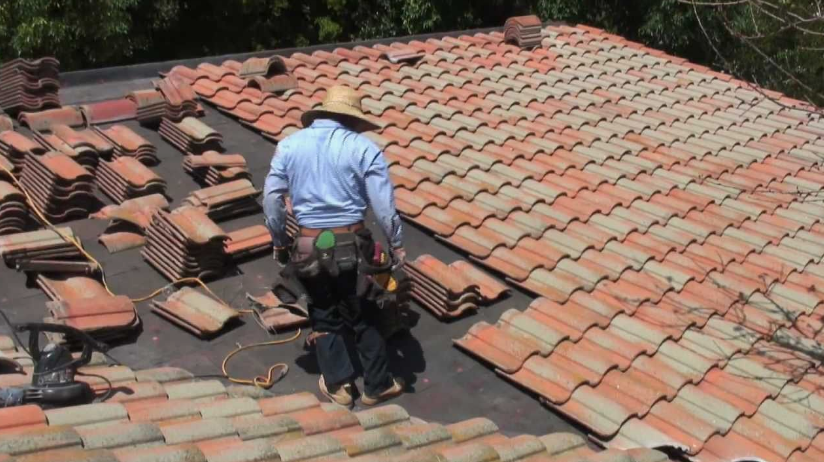
Clay tiles are among the most recognizable roofing materials, known for their reddish-orange color and curved shapes. These tiles are fired at high temperatures, making them extremely resistant to heat and sun damage.
Clay tile roofing is ideal for warmer climates because it reflects sunlight and helps keep homes cooler.
Concrete Tile Roofing
Concrete tiles are made from a mixture of cement, sand, and water, molded into specific shapes, and cured for strength. Concrete tiles are often more affordable than clay but still offer excellent durability.
They can also be manufactured in a variety of colors and textures, including designs that mimic slate or wood shake roofing.
Slate Tile Roofing
Slate is a natural stone roofing material that offers unmatched elegance and long-lasting performance. Slate tile roofs are known for their refined appearance and incredible lifespan.
However, slate is typically more expensive and requires skilled installation due to its weight and delicate handling.
Synthetic Tile Roofing
Synthetic tiles are made from engineered materials designed to replicate the appearance of traditional tile while being lighter and more affordable. These tiles can offer good performance, though their lifespan may not match natural clay or slate.
Popular Tile Roof Styles
Tile roofs are available in multiple profiles and designs, making them suitable for a wide range of architectural styles.
Barrel Tiles
Also called Spanish tiles, these have a rounded shape that creates a distinctive wave-like pattern across the roof. Barrel tiles are popular for Mediterranean and Spanish-style homes.
Flat Tiles
Flat tiles provide a clean and modern appearance. They are often used for contemporary homes and can resemble slate roofing.
Interlocking Tiles
These tiles lock together for improved wind resistance and easier installation. Interlocking tiles are commonly made of concrete and are ideal for areas that experience strong storms.
Mission Tiles
Mission tiles are a variation of barrel tiles that provide a more traditional, historic look. They are often seen in Southwestern home designs.
Key Benefits of Tile Roofing
Tile roofing is considered a premium roofing option for many reasons. Its long-term performance and visual appeal make it a worthwhile investment for homeowners who want quality and durability.
Exceptional Lifespan
One of the biggest advantages of tile roofing is its longevity. While asphalt shingles may last 15–30 years, a properly installed tile roof can last 50 to 100 years, depending on the material.
Many homeowners choose tile roofing because it reduces the need for frequent roof replacements.
Strong Weather Resistance
Tile roofs are designed to handle harsh weather conditions, including heavy rain, wind, and extreme heat. Many tile systems also perform well in areas with high humidity because they resist rot and insect damage.
Concrete and clay tiles are also highly resistant to hail impact compared to standard roofing materials.
Fire Protection
Tile roofing is naturally fire-resistant. Clay, slate, and concrete tiles are non-combustible materials, making them an excellent choice for areas prone to wildfires or extreme heat conditions.
This fire resistance can also help homeowners qualify for insurance discounts in certain regions.
Energy Efficiency
Tile roofs help regulate indoor temperatures by providing natural insulation and allowing airflow beneath the tiles. This reduces heat transfer into the home, keeping indoor spaces cooler during summer months.
As a result, many homeowners experience lower energy bills when switching to tile roofing.
Enhanced Curb Appeal
Tile roofing instantly boosts the appearance of a home. It creates a high-end look that adds character, depth, and texture to the roofline.
Tile roofs are available in multiple colors, finishes, and styles, allowing homeowners to choose a design that matches their personal taste.
Eco-Friendly Roofing Option
Many tile roofing materials are recyclable and made from natural resources. Clay tiles, in particular, are considered environmentally friendly because they are produced from earth-based materials and can last for generations.
Because tile roofs last longer, fewer materials are wasted over time compared to short-life roofing options.
Potential Drawbacks of Tile Roofing
While tile roofing has many advantages, it is important to understand its challenges before making a decision.
Higher Upfront Cost
Tile roofs generally cost more than asphalt shingle roofing due to the material quality and installation complexity. However, many homeowners consider the cost worthwhile because of the long lifespan.
Heavier Weight
Tile roofing is significantly heavier than other roofing materials. Before installation, the structure of the home must be inspected to ensure it can support the added weight. Some homes may require structural reinforcement.
Specialized Installation Required
Tile roofing must be installed by experienced professionals. Incorrect installation can lead to water leaks, broken tiles, or poor ventilation.
Choosing a qualified roofing contractor is critical for long-term success.
Tile Breakage Risk
Although roof tiles are durable, individual tiles can crack if walked on improperly or struck by falling branches. Repairs usually involve replacing specific tiles rather than large roof sections.
Tile Roofing Installation Process
Installing tile roofing is a detailed process that requires skill and precision. While steps may vary slightly depending on the tile type, the general installation process includes:
Roof Inspection and Preparation
The roof deck is inspected for damage, rot, or structural issues. Any weak sections are repaired before installation begins.
Underlayment Installation
A high-quality waterproof underlayment is installed to create a protective barrier beneath the tiles. This step is essential because tile roofs are not completely sealed like shingles, and the underlayment helps prevent moisture intrusion.
Flashing and Ventilation Setup
Flashing is installed around chimneys, valleys, skylights, and roof edges. Proper ventilation systems are also added to reduce heat buildup and prevent moisture issues.
Tile Placement and Fastening
Tiles are placed in overlapping rows and secured using nails, clips, or adhesives, depending on local building codes and climate requirements.
Final Sealing and Inspection
The roof is checked for alignment, proper drainage, and secure fastening. The contractor ensures that all ridge tiles and hip caps are installed correctly.
Maintenance Tips for Tile Roofing
Tile roofs require less maintenance than many other roofing systems, but regular inspections are still important for long-term performance.
Some recommended maintenance practices include:
- Inspect the roof annually for cracked or displaced tiles
- Clear debris from valleys and gutters to prevent water backup
- Check flashing areas for signs of wear or separation
- Remove moss or algae buildup in humid climates
- Trim nearby tree branches to reduce falling debris
With routine care, tile roofing can remain strong and visually appealing for decades.
Common Tile Roofing Repairs
Even though tile roofs are highly durable, they can still require occasional repairs. The most common tile roof issues include:
Cracked or Broken Tiles
Individual tiles can break due to impact, improper walking, or aging. The good news is that repairs are often simple and involve replacing only the damaged tile.
Underlayment Wear
The tiles may last 50+ years, but the underlayment underneath may need replacement sooner. If moisture starts to seep in, it may indicate underlayment deterioration.
Flashing Damage
Flashing around vents, chimneys, and valleys may loosen or corrode over time. Replacing damaged flashing helps prevent leaks.
Improper Drainage
Blocked gutters or roof valleys can cause water pooling. Keeping drainage pathways clear is essential for preventing water damage.
Tile Roofing vs Asphalt Shingles: Which Is Better?
Tile roofing and asphalt shingles are two popular options, but they serve different needs.
Tile roofing is best for homeowners who want long-term durability, premium appearance, and strong resistance to fire and heat. Asphalt shingles, on the other hand, are more affordable upfront and easier to install but typically require replacement sooner.
If your goal is a roof that lasts for decades and adds value to your home, tile roofing is often the superior option.
Is Tile Roofing Worth the Investment?
For many homeowners, tile roofing is absolutely worth it. Although the initial installation cost is higher, the long lifespan and reduced need for replacements often make tile roofs a cost-effective solution over time.
Tile roofing is also ideal for homeowners who value aesthetics, energy efficiency, and property value improvements. A well-installed tile roof can significantly boost resale appeal, especially in competitive housing markets.
Choosing the Right Tile Roofing Contractor
Tile roofing installation requires experience and specialized knowledge. When selecting a roofing contractor, look for:
- Proven tile roofing experience
- Proper licensing and insurance
- Warranty coverage on labor and materials
- Positive customer reviews and project photos
- Clear estimates and timeline commitments
A skilled contractor ensures that your tile roof performs correctly, looks great, and lasts for decades.
FAQs About Tile Roofing
1. How long does a tile roof last?
A tile roof can last, depending on the type of tile, quality of installation, and local weather conditions. Clay and slate tiles generally last longer than concrete.
2. Is tile roofing good for hot climates?
Yes, tile roofing is one of the best options for hot climates because it reflects sunlight and allows airflow under the tiles, which helps reduce heat buildup and improves energy efficiency.
3. Can a tile roof handle heavy rain and storms?
Tile roofs are built to withstand heavy rain, wind, and storms when properly installed. Interlocking tiles and strong underlayment systems provide additional protection in severe weather areas.
4. Are tile roofs expensive compared to shingles?
Tile roofing costs more upfront than asphalt shingles, but it often saves money in the long run due to its longer lifespan, lower replacement frequency, and better durability.
5. How do I know if my home can support a tile roof?
A roofing contractor or structural professional can inspect your home to determine if reinforcement is needed. Since tile roofing is heavier, some homes may require additional support before installation.